
Expert Tongue Tie Assessment & Treatment in Cairns
PhysioMotion Cairns provides comprehensive assessment and treatment for tongue ties (ankyloglossia), lip ties, and buccal (cheek) ties using a functional, evidence-informed approach. Our physiotherapist, Amelia, is trained in Orofacial Myology (Myofunctional Therapy) and looks beyond the presence of a tie to assess how it affects breathing, feeding, speech, swallowing, sleep, and overall development.
What is a Tongue Tie?
A tongue tie occurs when the tissue under the tongue (lingual frenulum) restricts movement. This can impact tongue mobility, suction, feeding, speech development, breathing patterns, and jaw or facial growth.
Lip Tie and Buccal Tie
A lip tie is a restrictive upper lip attachment that may affect feeding, lip seal, and tooth positioning. A buccal tie involves the cheek attachments and can influence chewing, oral hygiene, and jaw mobility.
Common Signs and Symptoms
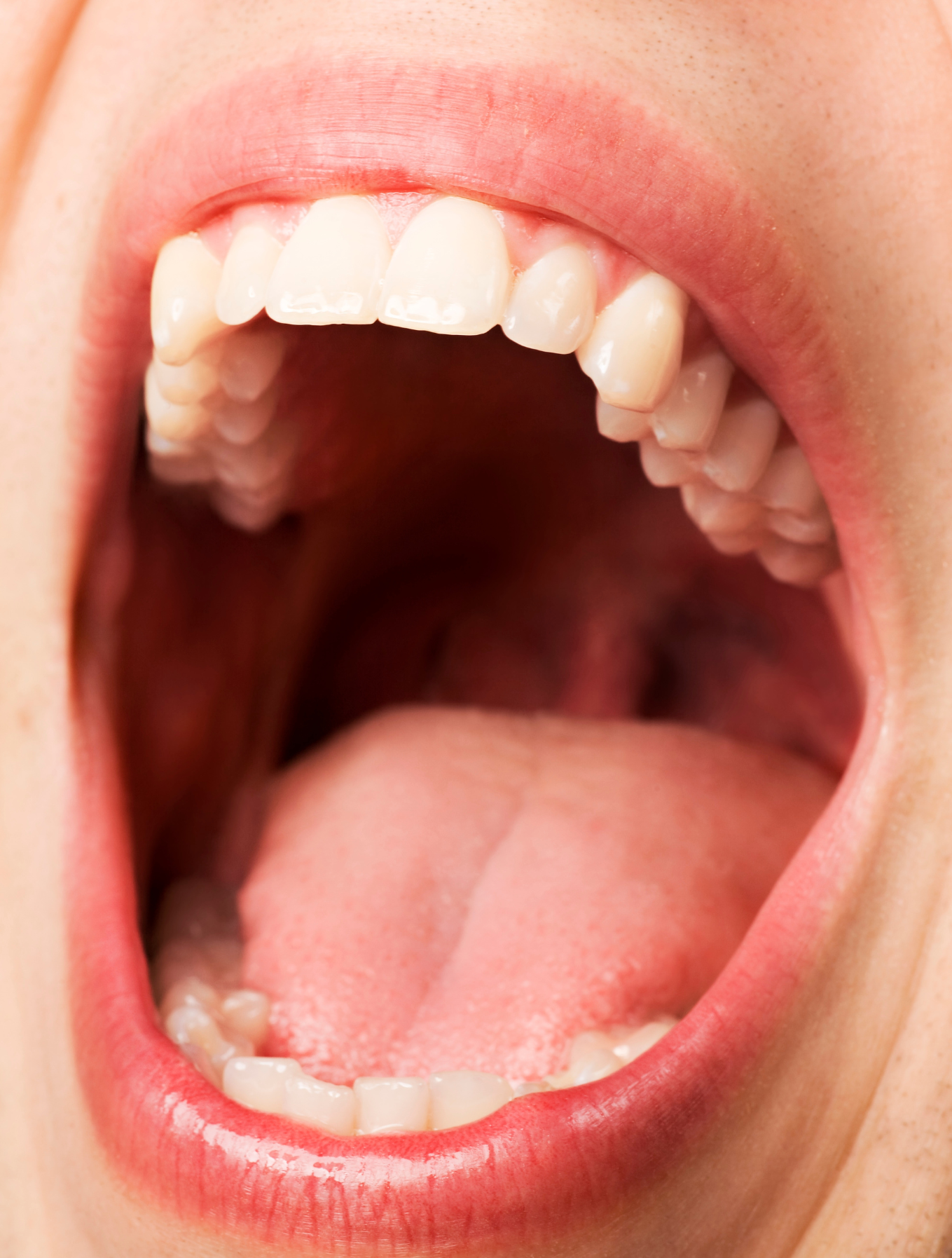
Symptoms vary but often involve challenges with eating, speech, oral health, or breathing. Children and adults may experience messy or slow eating, difficulty chewing, gagging, or air swallowing. Speech concerns can include unclear sounds or a lisp. Other signs may include mouth breathing, snoring, poor sleep, drooling, or dental concerns such as gaps, decay, or a heart-shaped tongue.
Why Tongue Ties Are Often Missed
Tongue ties cannot be diagnosed by appearance alone. Being able to stick the tongue out does not rule out a restriction. A proper assessment looks at tongue mobility, suction to the palate, breathing patterns, swallowing, and functional use during feeding and speech. At PhysioMotion Cairns, we prioritise function over appearance.
Tongue Tie Assessment
Your assessment includes a detailed history, evaluation of tongue, lip and jaw movement, breathing patterns, and observation of feeding, swallowing, and speech. Following this, we identify any restrictions, determine their impact, and create a personalised treatment plan. If needed, we can also guide referrals for release procedures.
Do All Tongue Ties Need Treatment?
No. Treatment is based on symptoms and functional impact, not simply the presence of a tie. Some people benefit from therapy alone, while others may require a combined approach depending on feeding, speech, breathing, and long-term developmental considerations.
Myofunctional Therapy
Treatment focuses on improving oral muscle function, coordination, and breathing patterns. This may include targeted exercises, tongue mobility work, and habit correction such as thumb sucking or nail biting.
Pre- and Post-Release Therapy
If a release procedure is recommended, therapy plays an important role both before and after. Before release, treatment prepares the muscles, improves mobility, and reduces compensation patterns.
After release, therapy helps retrain tongue function, improve coordination, and reduce the risk of reattachment while maximising outcomes.
Potential Effects if Left Untreated
Depending on severity, untreated ties may contribute to feeding difficulties, speech challenges, mouth breathing, poor sleep, and jaw or dental development concerns such as a narrow palate or crowding.
Feeding and Speech Support
Tongue ties can affect feeding from infancy through to later childhood and beyond. Signs may include difficulty with breastfeeding or bottle feeding, poor lip seal, reflux, or picky eating. Restricted tongue movement may also impact speech clarity. Myofunctional Therapy helps improve tongue strength, positioning, and coordination, and we can work alongside speech pathologists when required.
Who We Treat
We assess and treat children from around 3 years of age, as well as teenagers and adults.

Meet Your Orofacial Myology Clinican
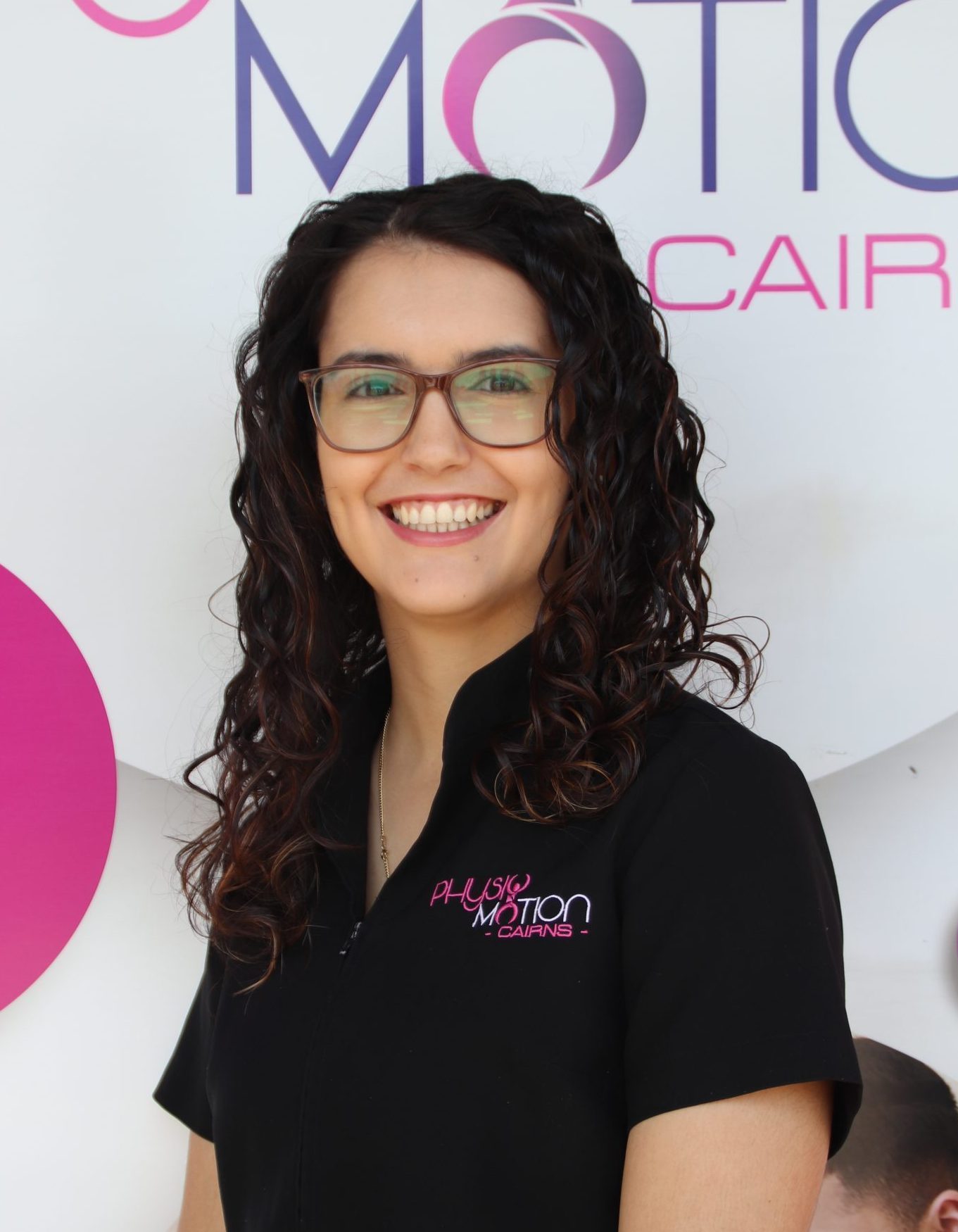
Your care is led by Amelia Sant, Physiotherapist, who has advanced training in Orofacial Myology and a strong clinical focus on breathing, feeding, and oral function across all ages.
Amelia works with children (3 years old+) and adults, providing comprehensive assessment and tailored treatment for a wide range of orofacial myofunctional disorders.
Amelia’s Areas of Expertise Include:
- Tongue tie, lip tie and buccal tie assessment and therapy
- Pre- and post-tongue tie release rehabilitation
- Paediatric feeding difficulties and picky eating
- Mouth breathing and nasal breathing retraining
- Sleep-disordered breathing and snoring support
- Tongue thrust and oral posture correction
- Jaw (TMJ) dysfunction and teeth grinding
Amelia takes a holistic, evidence-based approach, addressing not just symptoms, but the underlying causes of dysfunction—helping to improve breathing, sleep quality, feeding, speech, and long-term oral health.
She works closely with GPs, dentists, orthodontists, lactation consultants, and other allied health professionals to ensure coordinated, patient-centred care.
Learn more about Amelia and her experience here: [Amelia’s Bio]
Book a Tongue Tie Assessment in Cairns
If you suspect a tongue tie, lip tie, feeding difficulty, speech concern, or breathing issue, early assessment can help identify the cause and guide appropriate treatment.
PhysioMotion Cairns provides personalised care, evidence-informed treatment, and clear guidance to support optimal breathing, eating, speech, and development.
To book an appointment with Amelia: [click here]
Frequently Asked Questions
Can a tongue tie be missed?
Yes. Many tongue ties are overlooked when only visual assessment is used. Functional assessment is essential.
Do I need a referral?
No referral is required.
Does my child need surgery?
Not always. Recommendations are based on function, and therapy alone may be sufficient.
How long does treatment take?
This varies depending on individual needs and response to therapy.
Is treatment painful?
Exercises are gentle and tailored to the individual, particularly for children.
To find out more about Orofacial Myology, give us a call on (07) 4045 6800 to speak with one of our fiendly team.
You can find us at Shop 5 9-11 Stokes Street, Edmonton Cairns QLD 4869.