Improve Breathing, Eating, Speech & Sleep with Orofacial Myology
At PhysioMotion Cairns, we offer specialised Orofacial Myology (OFM) and Myofunctional Therapy to help children and adults improve breathing, eating, speaking, and sleeping. Our experienced physiotherapist Amelia provides assessment and treatment for tongue ties, lip ties, mouth breathing, feeding difficulties, speech concerns, and sleep disordered breathing. If you or your child are experiencing challenges with oral function, Orofacial Myology may help address the underlying cause — not just the symptoms.
What is Orofacial Myology?
Orofacial Myology (OFM) is a specialised area of therapy focused on the muscles of the face, mouth, tongue, and jaw.
These muscles play a critical role in everyday functions including:
- Breathing
- Eating and swallowing
- Speaking
- Sleeping
When these muscles are not working optimally, it can lead to a range of functional difficulties and developmental concerns.
Orofacial Myology uses targeted exercises and therapy techniques to:
- Improve tongue, lip, and jaw function
- Promote nasal breathing
- Establish proper oral resting posture
- Support healthy facial growth and development
- Improve jaw pain and jaw stability
At PhysioMotion Cairns, Amelia is trained in Orofacial Myology and provides personalised treatment plans tailored to each patient.
What is an Orofacial Myofunctional Disorder (OMD)?
An Orofacial Myofunctional Disorder (OMD) occurs when there is an abnormal position or movement of the tongue, lips, or jaw during rest, swallowing, or speech. OMDs can impact a person’s ability to breathe, eat, speak, and sleep effectively.
Signs & Symptoms of Orofacial Myofunctional Disorders
You or your child may benefit from Orofacial Myology if you notice:
Breathing & Sleep
- Mouth breathing
- Snoring
- Frequent waking or poor sleep quality
- Waking feeling unrefreshed
- Frequent illness or congestion
- Drooling
- Dark circles under the eyes
- Puffiness in the face
Eating & Feeding
- Messy eating or food falling out of the mouth
- Taking a long time to eat
- Chewing on one side only
- Difficulty biting into foods
- Gagging or choking
- Picky or fussy eating
Speech
- Lisp or unclear speech
- Difficulty with sounds such as “s”, “t”, “d”, “k”, “g”, “th”, “l”
- Swapping or altering sounds
Oral & Dental
- Teeth grinding or clenching
- Poor oral hygiene or increased tooth decay
- Jaw pain or clicking
Development & Behaviour
- Difficulty concentrating
- Poor posture
- Fatigue
- Difficulty with grades at school
Conditions We Treat
At PhysioMotion Cairns, we provide Orofacial Myology treatment for:
- Tongue tie assessment and management
- Lip tie and buccal (cheek) ties
- Mouth breathing
- Sleep-disordered breathing
- Feeding and picky eating difficulties
- Speech-related muscle dysfunction
- Jaw tension, clenching, and TMJ issues
- Postural and breathing dysfunction
Tongue Tie, Lip Tie & Buccal Tie
What is a Tongue Tie?
A tongue tie occurs when the tissue under the tongue (lingual frenulum) is too tight, restricting tongue movement and function.
What is a Lip Tie?
A lip tie is when the upper lip is restricted by tissue connecting it tightly to the gums, which can affect feeding and dental development.
What is a Buccal (Cheek) Tie?
A buccal tie occurs when the tissue between the cheeks and gums is tight, impacting eating, oral hygiene, and movement.
Symptoms of Tongue or Lip Tie
- Heart-shaped tongue tip
- Difficulty with speech sounds
- Messy eating
- Lip smacking
- Mouth breathing
- Swallowing air / bloating
- Gaps between teeth
- Difficulty maintaining oral hygiene
Tongue ties are often misdiagnosed or missed, as being able to stick the tongue out does NOT rule out a restriction. A proper assessment looks at:
- Tongue mobility
- Breathing patterns
- Speech
- Eating and swallowing function
Orofacial Myology Assessment
Your assessment at PhysioMotion Cairns includes:
- Detailed history and symptom discussion
- Assessment of tongue, lips, and jaw movement
- Breathing evaluation
- Swallowing and eating assessment
- Speech observation
Amelia will determine whether a tongue, lip, or buccal tie is present and provide guidance on appropriate management. If required, a referral can be made to a trusted release provider.
Treatment: How Orofacial Myology Helps
Orofacial Myology focuses on retraining muscle function to improve overall oral health and performance.
Treatment may include:
- Myofunctional exercises
- Tongue mobility and strengthening
- Lip and jaw coordination exercises
- Breathing retraining (nasal breathing)
- Postural correction
- Habit elimination (thumb sucking, nail biting)
Pre & Post Tongue Tie Release Therapy
If a tongue, lip, or buccal tie release is recommended, therapy is essential both before and after the procedure.
Pre-release therapy helps:
- Prepare muscles for new movement
- Improve mobility before release
Post-release therapy helps:
- Retrain the tongue to move correctly
- Improve strength and coordination
- Reduce tension and reattachment risk
- Improve overall outcomes
To find out more about Tonge and Lip Ties [Click here]
Orofacial Myology for Feeding & Picky Eating
Feeding difficulties can often be linked to oral muscle dysfunction. Signs your child may benefit include:
- Food spilling from the mouth
- Avoiding certain textures
- Chewing and spitting food out
- Difficulty biting into foods
- Jaw pain or clicking
- Messy eating
- Putting large amounts of food into the mouth before swallowing
Therapy helps to:
- Improve lip closure
- Increase tongue mobility
- Enhance chewing efficiency
- Reduce discomfort when eating
- Improve jaw stability
To find out more about Picking Eating [Click here]
Orofacial Myology for Breathing & Sleep
Proper breathing should occur through the nose, not the mouth.
Signs of poor breathing:
- Mouth breathing
- Tongue resting at the bottom of the mouth
- Snoring
- Dry lips
- Poor sleep quality
- Difficulty concentrating
- Waking feeling unrefreshed
- Frequent illness or congestion
- Drooling
- Dark circles under the eyes
- Puffiness in the face
Treatment focuses on:
- Retraining tongue resting position
- Improving nasal breathing
- Enhancing lip closure
- Supporting better sleep quality
To find out more about Mouth Breathing [Click Here]
Orofacial Myology for Speech
Orofacial Myology works alongside speech therapy to improve the physical function required for clear speech.
It helps with:
- Tongue strength and coordination
- Proper tongue positioning
- Lip control
- Breathing patterns for speech
Amelia works collaboratively with speech pathologists to achieve the best outcomes.
Who Can Benefit from Orofacial Myology?
Orofacial Myology can benefit people of all ages. At PhysioMotion Cairns, we commonly treat:
- Children (3+ years)
- Teenagers
- Adults
- Individuals with long-standing breathing or jaw issues
Early intervention can significantly improve long-term outcomes, particularly for children.
What Happens if These Issues Are Not Treated?
If left untreated, Orofacial Myofunctional Disorders may lead to:
- Ongoing speech difficulties
- Poor sleep and fatigue
- Mouth breathing habits
- Jaw development issues
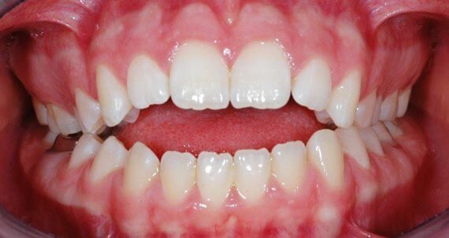
- Narrow palate and dental crowding
- Persistent feeding challenges
Addressing these concerns early can prevent more complex issues later in life.
Meet Your Orofacial Myology Clinician
Your care is led by Amelia Sant, Physiotherapist, who has advanced training in Orofacial Myology and a strong clinical focus on breathing, feeding, and oral function across all ages.
Amelia works with children (3 years old+) and adults, providing comprehensive assessment and tailored treatment for a wide range of orofacial myofunctional disorders.
Amelia’s Areas of Expertise Include:
- Tongue tie, lip tie and buccal tie assessment and therapy
- Pre- and post-tongue tie release rehabilitation
- Paediatric feeding difficulties and picky eating
- Mouth breathing and nasal breathing retraining
- Sleep-disordered breathing and snoring support
- Tongue thrust and oral posture correction
- Jaw (TMJ) dysfunction and teeth grinding
Amelia takes a holistic, evidence-based approach, addressing not just symptoms, but the underlying causes of dysfunction—helping to improve breathing, sleep quality, feeding, speech, and long-term oral health.
She works closely with GPs, dentists, orthodontists, lactation consultants, and other allied health professionals to ensure coordinated, patient-centred care.
Learn more about Amelia and her experience here: [Amelia’s Bio]
PhysioMotion Cairns | Orofacial Myology & Myofunctional Therapy
✔ Reviewed by a Qualified Orofacial Myology Clinician – Amelia Sant
Last reviewed: June 2026
Frequently Asked Questions
What age can my child start Orofacial Myology?
Amelia treats children from around 3 years of age, when they are developmentally able to follow instructions for simple exercises and participate in therapy activities.
Do all tongue ties need to be released?
Not always. Treatment depends on symptoms, functional impact, and individual presentation. A comprehensive assessment will determine whether conservative therapy, referral, or release is most appropriate.
Can Orofacial Myology help adults?
Yes. Adults can benefit from improved breathing patterns, reduced jaw tension, better tongue posture, and improved oral function, even if issues have been present for many years.
How long does treatment take?
Treatment length varies depending on the condition and goals. Most programs involve a series of clinical sessions combined with consistent home exercises to support long-term change.
Do I need a referral?
No referral is required to book an Orofacial Myology assessment. You can contact the clinic directly to arrange an appointment.