Acupunture for Pain Relief, Recovery and Wellbeing
If you're living with pain, muscle tension or ongoing injuries, acupuncture may be able to help. At PhysioMotion Cairns, acupuncture is offered as part of a comprehensive physiotherapy approach to help reduce pain, improve movement and support your body's natural healing process. Rather than simply treating symptoms, we take the time to understand what's causing your pain and develop a treatment plan that's tailored to your goals.
Treatment is provided by Raul Loppi Goulart, an experienced physiotherapist with more than 13 years of clinical experience and specialised acupuncture training completed in China. Raul combines the principles of Traditional Chinese Medicine (TCM) with evidence-informed physiotherapy, allowing him to provide a balanced approach that draws on both traditional practice and modern clinical knowledge. Acupuncture may be recommended for a wide range of conditions, including back and neck pain, sciatica, headaches, jaw pain, sports injuries, arthritis, muscle tightness, stress-related tension and some digestive complaints.
Whether you're recovering from an injury, managing persistent pain or simply looking for another treatment option, we'll discuss whether acupuncture is appropriate for you during your assessment.
What Is Acupuncture?
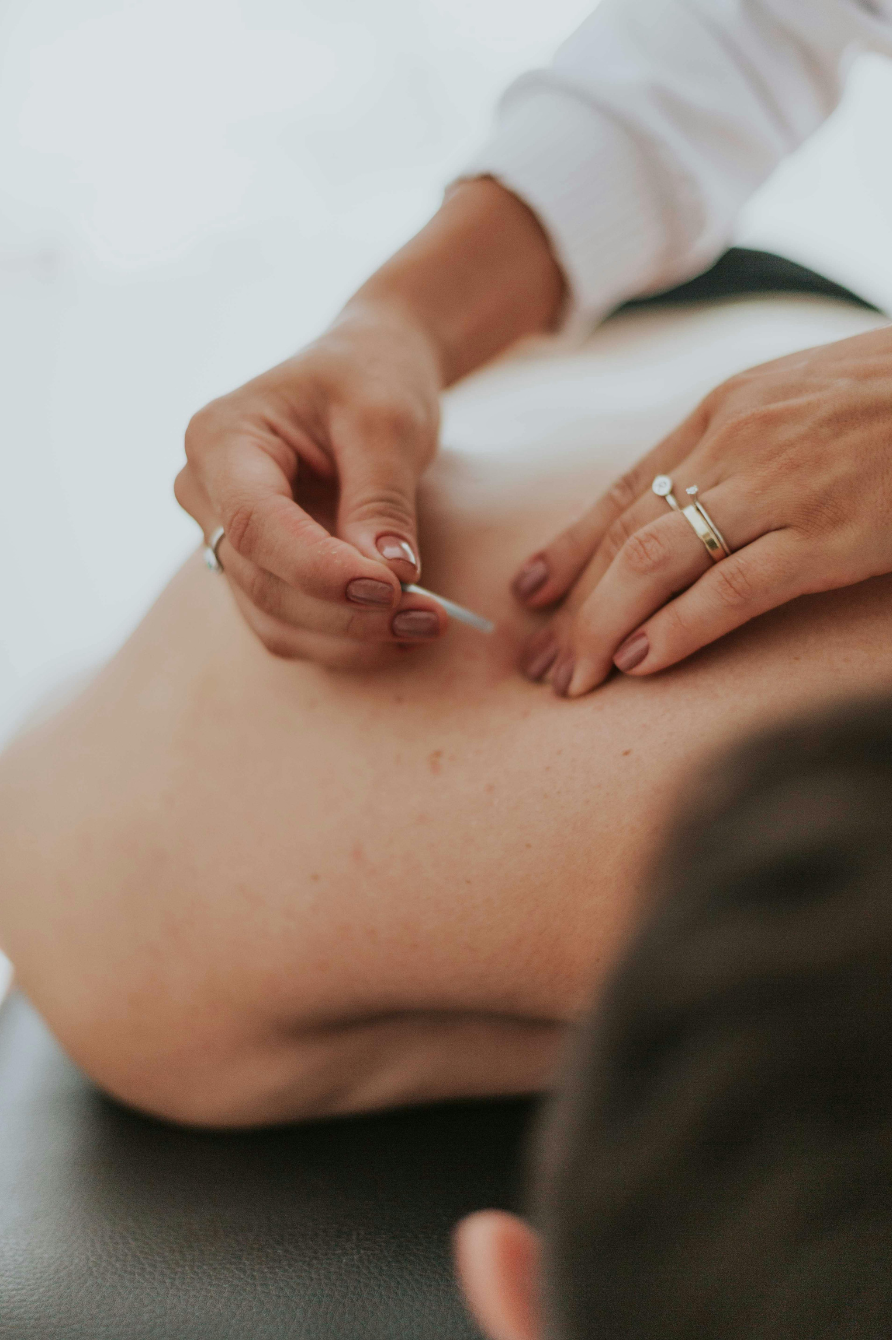
Acupuncture is a treatment that has been used for thousands of years to help relieve pain, restore balance and support overall health. It involves placing very fine, sterile needles into carefully selected points on the body. Most people are surprised by how comfortable the treatment feels, with many describing a feeling of warmth, heaviness or deep relaxation during their session.
Traditional Chinese Medicine explains acupuncture through the flow of energy, known as Qi (pronounced "chee"), which travels through pathways called meridians. When this flow becomes disrupted, symptoms such as pain, tension or illness may develop. Acupuncture aims to restore that balance. Modern research explains acupuncture differently. Studies suggest it may help stimulate the nervous system, encourage the release of the body's natural pain-relieving chemicals, improve circulation and influence the way pain is processed.
While the explanations differ, both approaches share the same goal—helping your body recover, move more comfortably and function at its best.
What Can Acupuncture Help With?
Acupuncture is commonly used alongside physiotherapy to help manage pain, reduce muscle tension and improve movement. Because every person is different, treatment is always tailored to your individual symptoms and goals. People commonly seek acupuncture for:
Muscle, Joint and Nerve Pain
Acupuncture may help people experiencing:
- Back pain
- Neck pain
- Sciatica
- Shoulder pain
- Frozen shoulder
- Tennis elbow
- Arthritis and osteoarthritis
- Sports injuries
- Muscle tightness and stiffness
- Persistent or chronic pain
Headaches and Migraines
For some people, acupuncture may help reduce the frequency and severity of headaches and migraines, particularly when muscular tension or neck dysfunction contributes to symptoms.
Jaw Pain (TMJ Dysfunction)
Jaw pain often involves muscles of the face, neck and jaw working harder than they should. Acupuncture can be used alongside physiotherapy to reduce muscle tension, improve jaw movement and help relieve discomfort.
Stress, Sleep and Wellbeing
Many people find acupuncture relaxing. Some patients notice improvements in muscle tension, stress levels and sleep quality following treatment, making it a valuable addition to an overall wellbeing plan.
Digestive Health
Acupuncture has traditionally been used to support digestive health and may be considered for symptoms such as bloating, constipation, indigestion and Irritable Bowel Syndrome (IBS). From a physiotherapy perspective, acupuncture may help influence the nervous system and the communication between the brain and digestive tract, while Traditional Chinese Medicine focuses on restoring balance within the digestive system.
What Are the Benefits of Acupuncture?
While everyone's experience is different, patients often tell us they notice benefits such as:
- Less pain and muscle tension
- Easier movement and improved flexibility
- Better recovery following injury
- Improved sleep
- Feeling more relaxed
- Better overall wellbeing
Acupuncture works best as part of a broader treatment plan, which may also include physiotherapy, manual therapy, exercise rehabilitation and education.
Does Acupuncture Hurt?
This is easily the question we're asked most often. The needles used for acupuncture are extremely fine—much thinner than those used for injections or blood tests. Most people feel very little as they're inserted. Some people notice a mild tingling, warmth or heavy sensation around the needle, while others barely feel anything at all. Many patients actually find the treatment deeply relaxing and enjoy having time to simply switch off. If you're nervous about trying acupuncture, let Raul know. He'll explain everything beforehand and make sure you're comfortable throughout the appointment.
Acupuncture vs Dry Needling
Although acupuncture and dry needling use similar needles, they're different treatments with different goals. Acupuncture is based on Traditional Chinese Medicine and takes a whole-body approach. It may be used to help with pain, stress, digestion, sleep and general wellbeing. Dry needling is based on modern anatomy and physiology. It targets specific muscular trigger points to reduce pain, improve movement and restore muscle function. As a physiotherapist trained in both techniques, Raul will recommend the most appropriate treatment—or combine both where clinically appropriate.
Your First Appointment
Your first appointment starts with a detailed assessment. Raul will discuss your symptoms, medical history, lifestyle and treatment goals before deciding whether acupuncture is suitable for you. If appropriate, treatment may be provided during your first visit. Depending on your needs, your appointment may also include physiotherapy assessment, hands-on treatment, rehabilitation exercises or advice about posture, movement and activity. Our aim is to help you understand what's contributing to your symptoms and develop a treatment plan that's right for you—not just provide short-term pain relief.
Why Choose PhysioMotion Cairns?
Choosing acupuncture from a physiotherapist means your treatment isn't just focused on the needles—it's part of a comprehensive assessment of how your body moves and functions.
Raul has more than 13 years of experience treating musculoskeletal conditions, sports injuries, chronic pain and movement disorders. His postgraduate acupuncture training in China, combined with extensive physiotherapy experience, allows him to integrate traditional acupuncture with modern rehabilitation techniques.
Rather than using a one-size-fits-all approach, every treatment is tailored to your condition, goals and overall health. When appropriate, acupuncture is combined with manual therapy, exercise rehabilitation, dry needling and education to give you the best opportunity for long-term improvement.
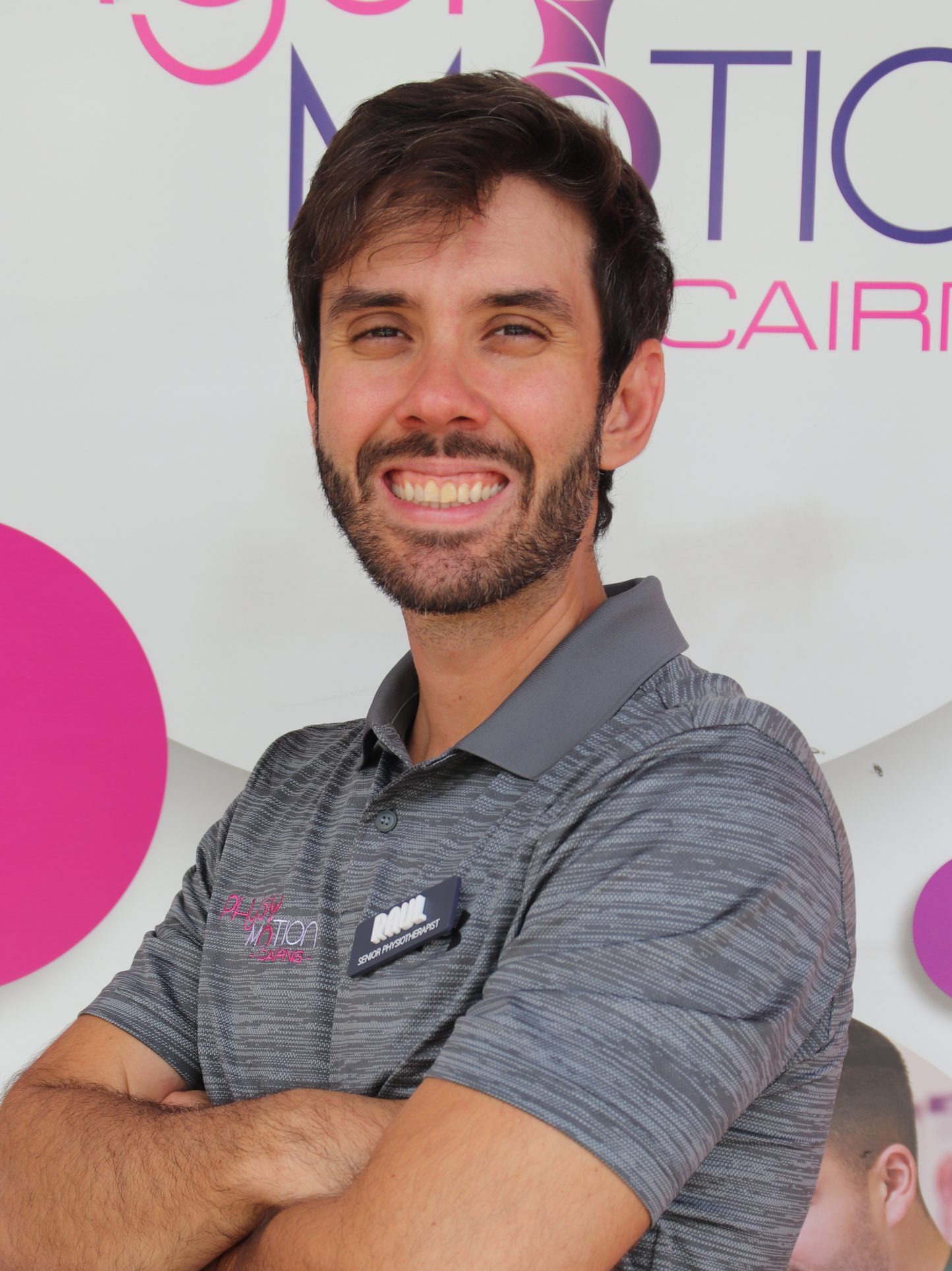
Meet Your Acupuncture Clinician
With more than 13 years of clinical experience, Raul Loppi Goulart combines evidence-informed physiotherapy with specialised acupuncture training to help people move better, recover from injury and manage pain.
Originally graduating as a physiotherapist in Brazil, Raul has continued to expand his knowledge through extensive postgraduate training, including specialised acupuncture training completed in China. His unique background allows him to integrate the principles of Traditional Chinese Medicine with modern physiotherapy, providing a well-rounded and personalised approach to care.
Raul has a particular interest in treating musculoskeletal pain, sports injuries, chronic pain, headaches, neck and back pain, jaw (TMJ) dysfunction, and movement-related conditions. Where appropriate, he combines acupuncture with hands-on physiotherapy, dry needling, rehabilitation exercises and education to help address not only the symptoms, but the underlying cause of the problem.
Patients appreciate Raul's calm and approachable nature. He takes the time to listen, thoroughly assess each person's condition and develop an individual treatment plan that aligns with their goals and lifestyle.
Learn more about Amelia and her experience here: [Raul's Bio]
"My goal is to understand why you're experiencing pain—not just where it hurts. By combining physiotherapy with acupuncture and other evidence-based treatments where appropriate, I aim to help you recover, move with confidence and return to the activities that matter most to you."
– Raul Loppi Goulart
Looking for Acupuncture in Cairns?
If you're considering acupuncture for pain relief, injury recovery, headaches, muscle tension, chronic pain or general wellbeing, Raul will work with you to determine whether it's the right treatment for your condition.
Book an appointment today to discover how acupuncture can be incorporated into a personalised physiotherapy treatment plan designed around your goals [Click Here].
PhysioMotion Cairns | Acupuncture
✔ Reviewed by a Qualified Acupuncture Clinician – Raul Loppi Goulart
Last reviewed: June 2026
Frequently Asked Questions
Is acupuncture safe?
Yes. When performed by a qualified physiotherapist using sterile, single-use needles, acupuncture is considered a safe treatment.
How many treatments will I need?
That depends on your condition, how long you've had symptoms and what you're hoping to achieve. Some people notice improvement within a few sessions, while others benefit from ongoing treatment as part of a rehabilitation program.
Can acupuncture help chronic pain?
Many people with ongoing neck pain, back pain, arthritis, headaches or muscle tension include acupuncture as part of their overall pain management plan.
Is acupuncture covered by private health insurance?
Many private health funds provide rebates for acupuncture when performed by a physiotherapist. We recommend checking your level of cover with your insurer.