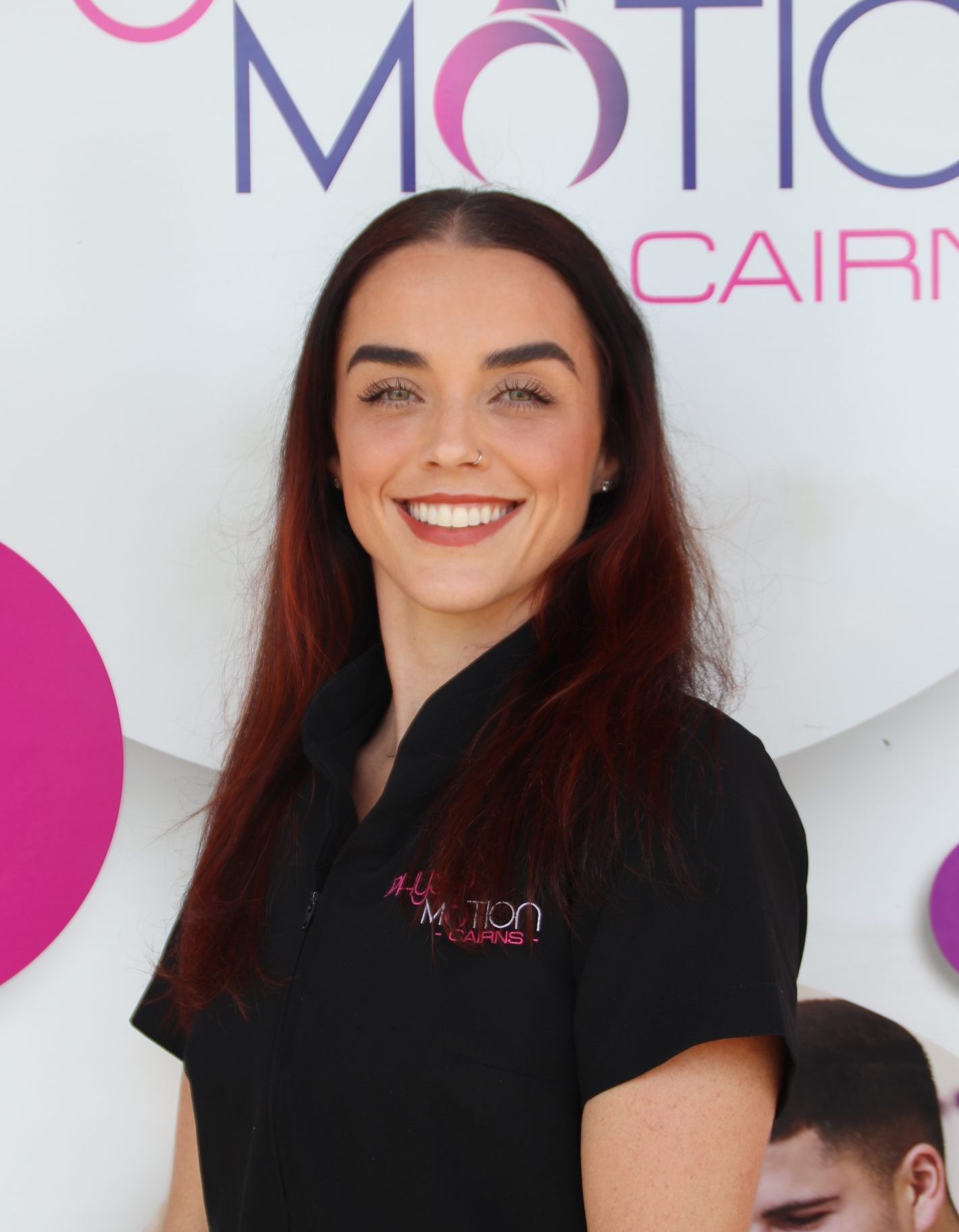
Jess has now completed training with Lisa Howell (Physiotherapist for Dancers) and is now providing Pre-Pointe assessments as part of her Dance Physiotherapy.
Going en-pointe is such an exciting time for young dancers. Adequate screening and assessment can assist with ensuring students are ready when the time is right. This helps avoid disappointment as well as prevention of injury. Pre-pointe assessments also help with the longevity of a dancer's career and body as they develop and grow.
What is a Pre-Pointe assessment?
A Pre-Pointe assessment is a series of assessments that are designed to prepare young dancers to go onto pointe.
Ideally, the tests are completed over several sessions, allowing them to be broken into manageable parts so the dancer can focus on each element individually leading into their first pointe sessions. This is so the student isn’t overwhelmed with the content and exercises they need to do to be cleared to go en-pointe. Think of it as working through the different elements so when it comes to the time they are ready to go en-pointe they get their clearance. This stops disappointment as well as the feeling of working towards something with confidence and readiness.
What’s involved?
A comprehensive assessment of classical technique as well as joint range and movement specific to Ballet and Pointe work.
Who is a Pre-Pointe Assessment for?
Pre-pointe assessments are recommended 1–2 years before students progress onto pointe.
These assessments do not provide immediate clearance but highlight areas for improvement. By addressing these early, students are better prepared and more likely to receive clearance when they reach the appropriate age and readiness.
However, these assessments can be started at any stage (it’s never too late!), and completing them first provides a helpful opportunity to identify areas that may benefit from further development before progressing en pointe.
Are pre-pointe assessments only for students about to go en pointe?
NO! Even after dancers transition to pointe, ongoing pre-pointe assessments remain essential. Pointe work places significant demands on the body, and regular reassessment helps ensure strength, mobility, and alignment are maintained for safe technique. As students develop, their bodies change, making consistent monitoring even more important.
Overall, Pre‑Pointe assessments give dancers the time, guidance, and structured support they need to progress safely and confidently toward pointe work. By identifying strengths and growth areas early, as well as continuing to reassess them as their bodies develop, dancers build the solid technical foundation required for both safe progression and long‑term success in their ballet journey.

Meet Your Qualified Physiotherapist
Jessica Beer is the Lead Physiotherapist at PhysioMotion Cairns and has a special interest in Dance Physiotherapy, helping dancers of all ages train, perform and recover with confidence. Combining over seven years of clinical physiotherapy experience with her own background in dance, Jessica understands the unique physical demands placed on a dancer's body and the importance of balancing performance goals with long-term health.
Her approach goes beyond treating injuries. Jessica assesses movement quality, strength, flexibility, balance, technique and training load to identify factors that may contribute to pain or limit performance. Whether you're preparing for your first pointe shoes, returning after an injury or simply looking to improve your resilience and technique, every assessment is tailored to the individual dancer.
Jessica works with recreational, competitive and pre-professional dancers across a range of dance styles. She is passionate about helping young dancers build strong foundations, supporting safe progression through training, and giving dancers and their families confidence that they're making informed decisions about their health and development.
Commencing pointe work is an exciting milestone, but timing matters. Jessica's comprehensive pre-pointe assessments evaluate the physical readiness required for pointe, including strength, control, balance, alignment, flexibility and lower limb function. The goal is not simply to determine whether a dancer is "ready", but to identify areas that can be improved to reduce injury risk and help each dancer transition to pointe safely and successfully.
[Click Here] to read more about Jess.
[Click Here] to book an appointment with Jess.
For any enquires call (07) 4045 6800 to speak with one of our friendly team members.
PhysioMotion Cairns | Dance Physiotherapy
Additional Dance Information:
✔ Dance Physiotherapy
✔ Why Pre‑Pointe Assessments Matter for Young Dancers
✔ Reviewed by a Qualified Clinician – Jessica Beer
Last reviewed: June 2026
You can find us at Shop 5 9-11 Stokes Street, Edmonton Cairns QLD 4869.